
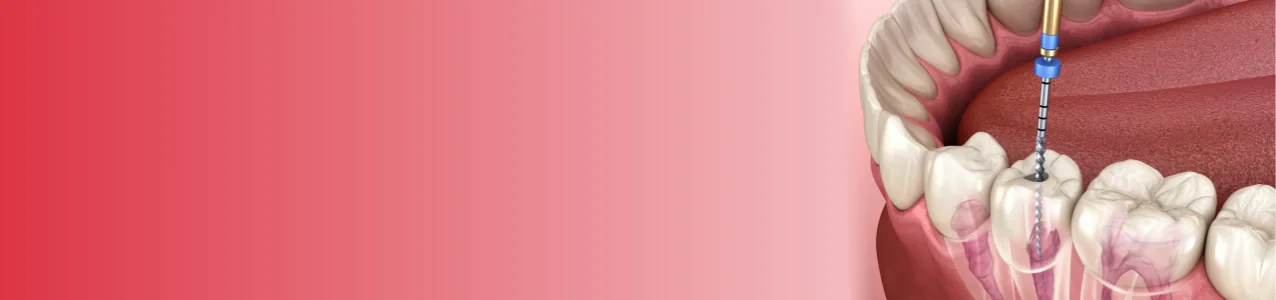
What is root canal treatment?
During root canal treatment, the affected tissue inside the tooth is removed, the root canal space is cleaned and shaped, and it is sealed. A suitable restoration may be needed to protect the treated tooth.
What to expect
- Assessment of symptoms, tooth condition and dental history.
- X-rays or other imaging may be advised when clinically indicated.
- Local anaesthesia is commonly used; the dentist explains each stage.
- The canal is cleaned, shaped, filled and the tooth is restored as planned.
What should you consider?
- Some cases can be completed in one visit; others need more visits.
- Mild tenderness after treatment can occur and should be discussed with the dentist.
- A crown or other restoration may be recommended depending on the tooth.
- Severe swelling, fever or worsening pain needs prompt dental assessment.
Frequently asked questions
Does root canal treatment hurt?
Local anaesthesia is commonly used to help manage discomfort during treatment. Some tenderness may occur afterwards. No dentist can guarantee that every case will be completely pain-free.
Can root canal treatment be done in one sitting?
Some teeth are suitable for a single visit; other cases need more visits depending on tooth anatomy, infection and clinical findings.
Will I need a crown after root canal treatment?
A crown may be recommended depending on how much tooth structure remains, which tooth is treated and the bite. Your dentist will explain the restoration options.
This page provides general information and is not a diagnosis or personal treatment recommendation. Treatment suitability, risks, expected outcomes and costs must be discussed with a qualified dental professional after examination.