
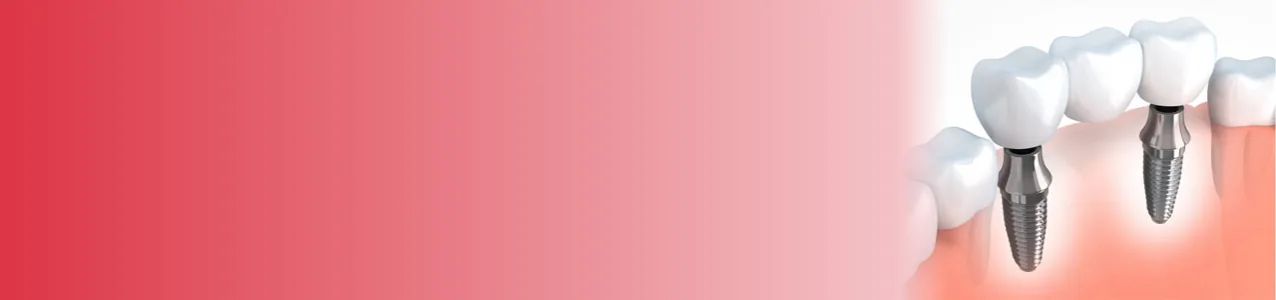
What is missing teeth replacement?
A treatment plan should consider more than the visible gap. The dentist assesses how the missing tooth affects your bite and surrounding teeth, then explains suitable choices and their benefits and limitations.
What to expect
- Discuss your goals, dental history and medical history.
- Examine the gap, surrounding teeth, gums and bite.
- Compare options such as implant, bridge or denture when suitable.
- Review expected stages, maintenance, risks and cost before deciding.
What should you consider?
- Each option has different maintenance requirements.
- An implant may require sufficient bone and healthy gums.
- A bridge may involve supporting teeth.
- A removable denture may need adjustments as tissues change.
Frequently asked questions
What is the best way to replace a missing tooth?
There is no single best option for everyone. A dentist needs to assess the mouth and compare suitability, advantages and limitations.
Can I replace several missing teeth?
Depending on the case, options may include multiple implants, bridges or partial dentures. A clinical assessment is necessary.
Should I replace a missing back tooth?
A missing tooth can affect chewing and may influence other teeth. Your dentist can discuss the possible effects and whether replacement is appropriate.
This page provides general information and is not a diagnosis or personal treatment recommendation. Treatment suitability, risks, expected outcomes and costs must be discussed with a qualified dental professional after examination.